What the Canada–US Trade War Means for the Canadian Beard Oil Industry
What the Canada–US Trade War Means for the Canadian Beard Oil Industry
The Canada–US trade relationship is facing renewed tension in 2026. Tariffs, cross-border friction, and supply chain uncertainty are reshaping how Canadian manufacturers source ingredients, price products, and compete with American brands.
For the beard care industry — a category projected to reach $22 billion globally by 2029 — these shifts matter. Canadian beard oil producers rely heavily on imported carrier oils, essential oils, and packaging materials. When tariffs rise and exchange rates fluctuate, margins shrink. When cross-border logistics slow down, delivery windows stretch.
This article breaks down what the current trade environment means for Canadian beard oil brands, what sourcing and pricing pressures are emerging, and how small-batch producers are adapting to stay competitive without compromising formulation quality.
The Trade War Context: What Changed in 2026
In early 2026, the United States imposed new tariffs on a range of Canadian goods as part of a broader renegotiation of trade terms. Canada responded with reciprocal measures. The result is a more expensive and administratively complex cross-border environment for manufacturers who depend on imported raw materials or export finished goods.
Beard oil production sits at the intersection of agriculture (carrier oils like argan, jojoba, hemp seed), cosmetics manufacturing (formulation, bottling, labeling), and retail (direct-to-consumer shipping, wholesale distribution). Each of these layers is affected by tariffs, customs delays, and currency volatility.
For small-batch Canadian producers, the impact is immediate. Ingredient costs rise. Shipping timelines extend. Competitive pressure from American brands intensifies as the exchange rate shifts. The question is not whether these pressures exist — it is how Canadian brands respond without eroding product quality or customer trust.
Ingredient Sourcing: Where Canadian Beard Oil Brands Feel the Pressure
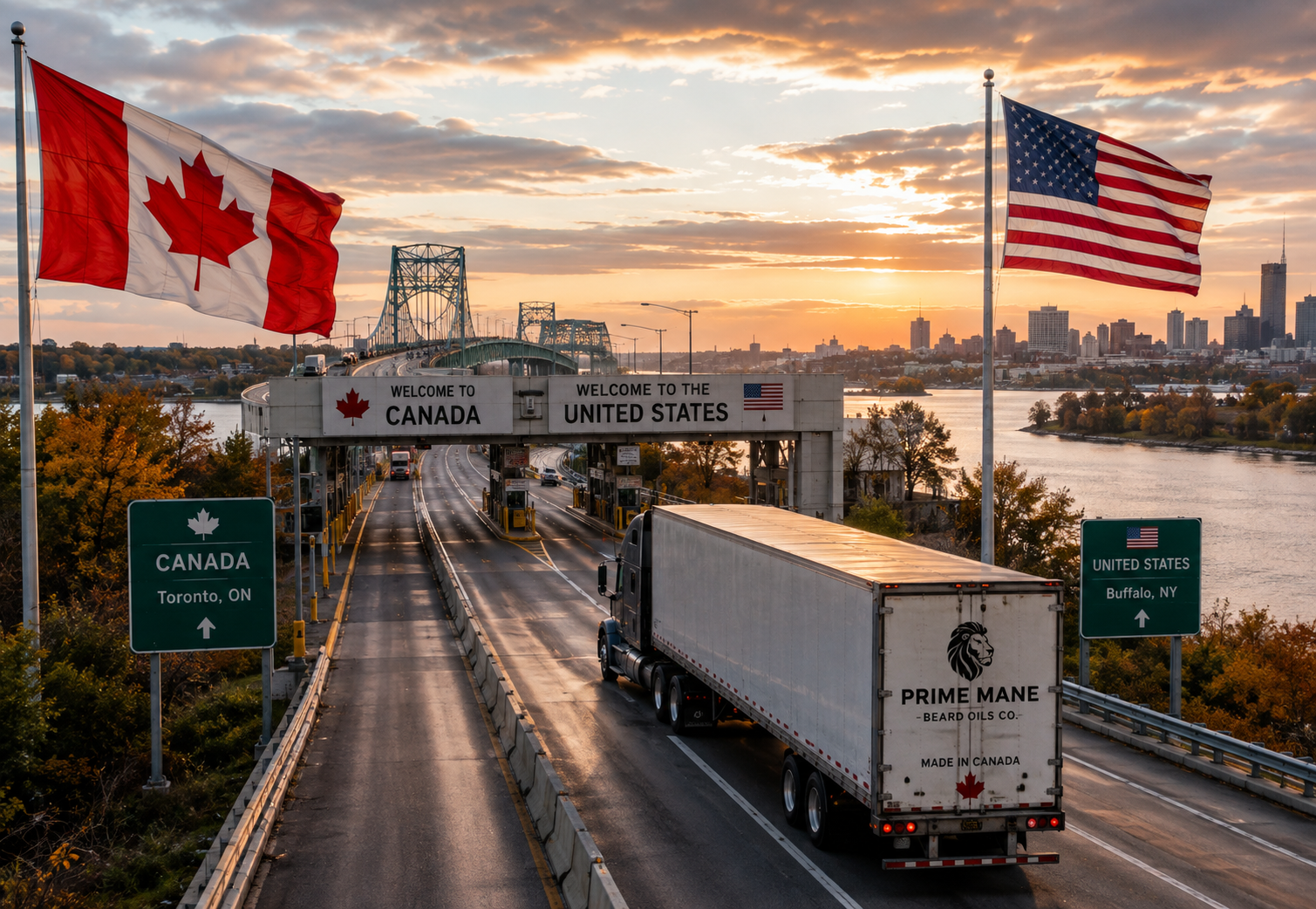
Most premium beard oils are built on a foundation of imported carrier oils. Argan oil comes from Morocco. Jojoba is grown primarily in the southwestern United States, Argentina, and Peru. Grapeseed oil is sourced from wine-producing regions in Europe and California. Hemp seed oil is domestically available in Canada, but pumpkin seed, sweet almond, and avocado oils often cross borders.
When tariffs apply to these ingredients — or to the countries they transit through — the cost per liter rises. For a small-batch brand mixing to order, even a 10–15% increase in raw material cost can compress margins significantly. The choice becomes: absorb the cost, raise prices, or reformulate with cheaper alternatives.
Reformulation is not a trivial decision. Argan and jojoba are chosen for their skin-feel, absorption rate, and non-comedogenic properties. Swapping them for heavier or more comedogenic oils changes how the product performs. For brands that have built their reputation on specific formulations, ingredient substitution risks customer trust.
The Canadian advantage is proximity to hemp seed oil production and a domestic supply of some essential oils. Brands that lean into locally available ingredients face fewer tariff-related cost pressures. But the reality is that premium beard care formulations depend on a global supply chain, and that chain is now more expensive and less predictable.
Pricing and Competitive Dynamics: Canadian Brands vs. American Brands
The Canadian dollar has weakened against the US dollar throughout 2026. For Canadian consumers shopping online, American beard oil brands now appear relatively cheaper. For Canadian brands exporting to the US, margins tighten because revenue earned in USD converts to fewer CAD.
At the same time, tariffs on finished goods make cross-border retail more expensive. A Canadian brand selling directly to American customers may face customs duties that did not exist a year ago. An American brand shipping into Canada faces the same friction in reverse. The result is a fragmented market where small brands lose the pricing flexibility they once had.
For direct-to-consumer brands, the impact is felt in two places: acquisition cost and retention. If a Canadian brand raises prices to cover ingredient and logistics costs, customer acquisition becomes harder. If prices stay flat while margins compress, sustainability becomes the issue. Brands that mix to order and maintain small-batch production face an additional constraint: they cannot stockpile ingredients at pre-tariff prices the way larger manufacturers can.
Logistics and Fulfillment: Slower Shipping, Higher Costs
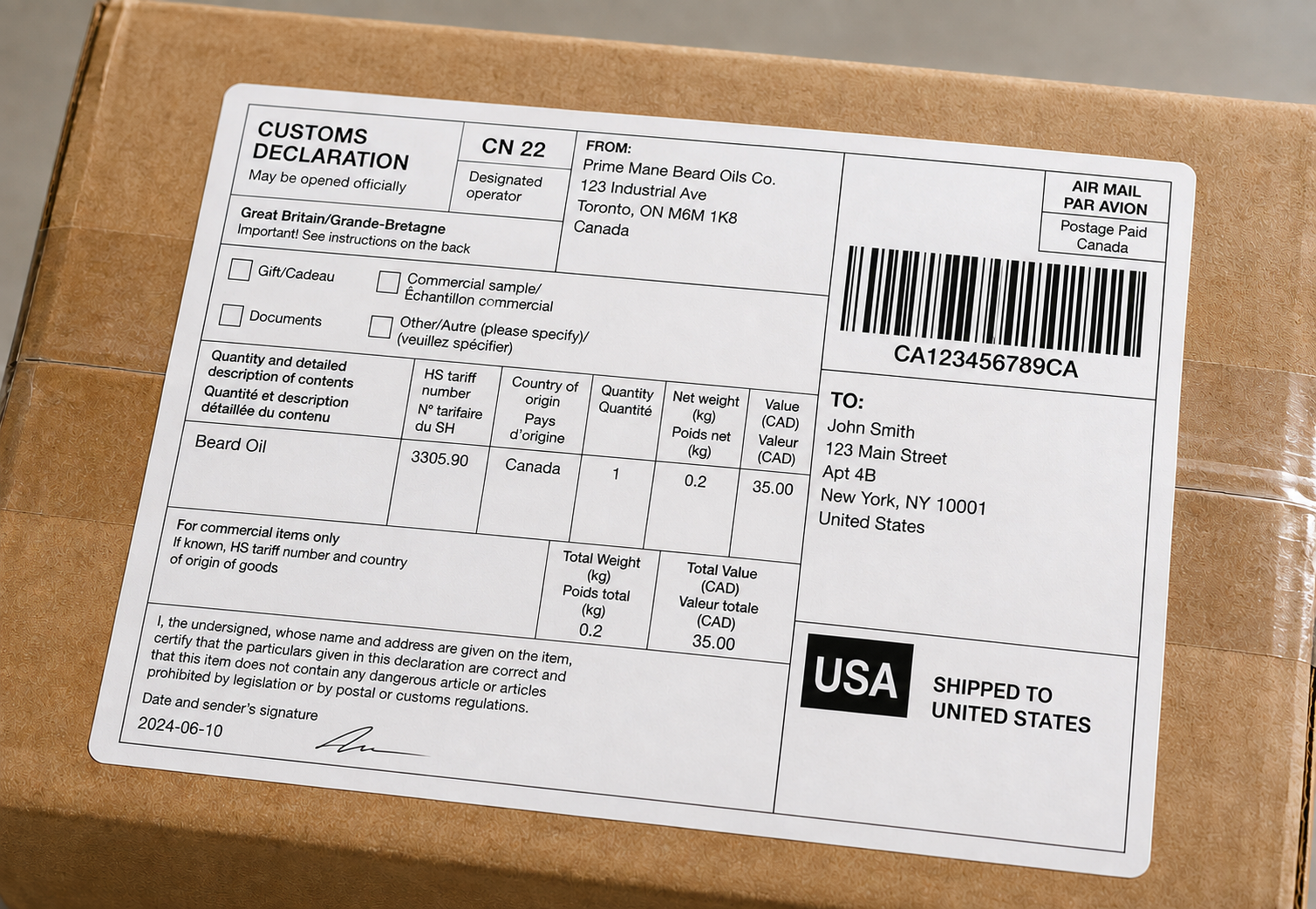
Cross-border fulfillment has slowed in 2026. Customs inspections are more frequent. Documentation requirements are stricter. For beard oil brands that ship directly to customers in both Canada and the US, this means longer delivery windows and higher carrier costs.
Canadian carriers are adjusting their pricing to reflect increased border-crossing overhead. For small brands, this erodes one of the key advantages of direct-to-consumer models: fast, affordable shipping. When a product takes 10–14 days to arrive instead of 5–7, customer experience suffers. When shipping costs rise by 20–30%, the brand either absorbs the cost or passes it to the customer.
Some Canadian brands are responding by opening US-based fulfillment centers or partnering with third-party logistics providers south of the border. This solves the delivery speed problem but introduces new overhead: warehousing, inventory management, and compliance with US cosmetic labeling requirements. For a small-batch brand, these are not trivial operational shifts.
How Small-Batch Canadian Brands Are Adapting
The brands that are navigating this environment successfully are doing three things: prioritizing ingredient transparency, tightening operational efficiency, and leaning into the Canadian identity as a differentiator.
Ingredient transparency matters because customers understand cost pressures when brands explain them honestly. A price increase paired with a clear explanation of tariff impact and ingredient sourcing is more credible than a silent price hike. Brands that communicate openly about their supply chain and formulation decisions build trust, even when prices rise.
Operational efficiency means reducing waste, optimizing batch sizes, and eliminating unnecessary overhead. Brands that mix to order already have an advantage: they do not carry inventory risk or waste unsold product. Tightening fulfillment workflows and negotiating better carrier rates helps preserve margins without compromising product quality.
Finally, Canadian identity is becoming a competitive asset. Domestic consumers increasingly prefer to support local brands, especially when cross-border shopping becomes more expensive and complicated. For American customers, Canadian grooming brands are associated with natural ingredients, clean formulations, and ethical manufacturing practices. Brands that emphasize their Canadian roots — sourcing, production, compliance with Health Canada standards — can differentiate in a crowded market.
What This Means for the Future of Canadian Beard Care
The trade war is not temporary. Even if tariffs are reduced or renegotiated, the supply chain disruptions and currency volatility of 2026 have permanently shifted how Canadian beard oil brands operate. The brands that survive and grow will be the ones that adapt without sacrificing formulation integrity.
For consumers, this means understanding that premium beard care has real input costs. Argan, jojoba, and hemp seed oils are agricultural products subject to global market forces. Small-batch production is labor-intensive. Health Canada compliance requires documentation and testing. These are not excuses for high prices — they are the reality of producing a quality product in a constrained trade environment.
For Canadian brands, the path forward is clear: source strategically, communicate honestly, and optimize relentlessly. The brands that do this will emerge stronger. The ones that cut corners on formulation or transparency will lose customer trust. The trade war is a filter. What survives will be better.
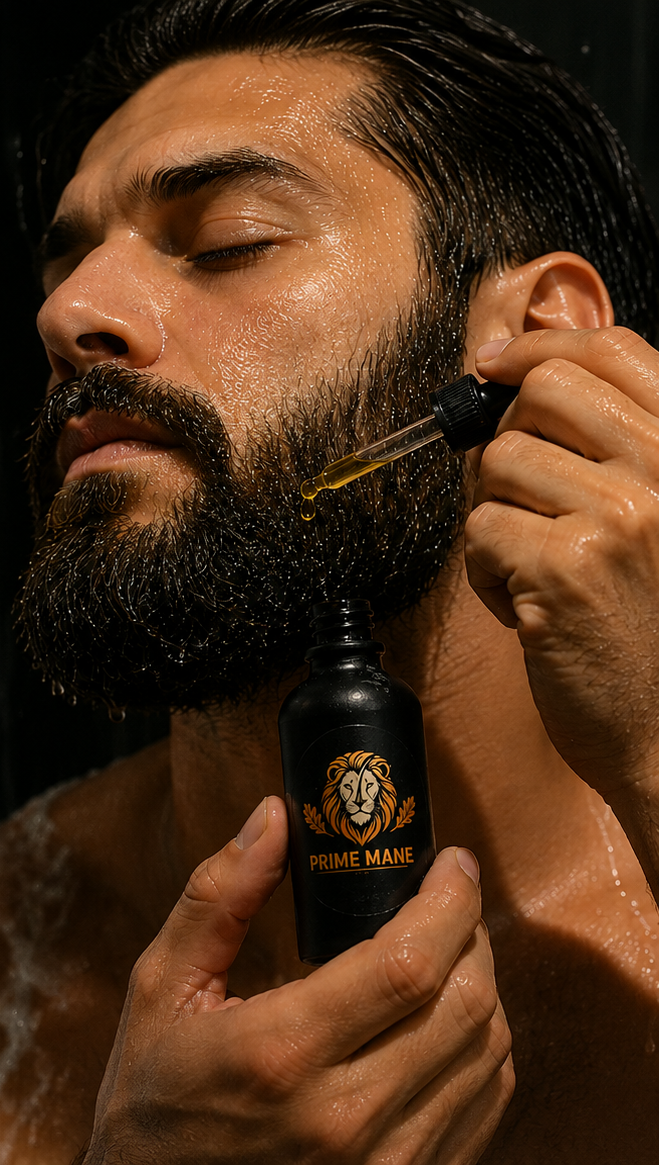
The Canada–US trade war is reshaping the beard care industry in real time. Ingredient costs are up. Shipping is slower. Margins are tighter. But the fundamentals have not changed: customers still want formulations that work, ingredients they can trust, and brands that communicate honestly.
Canadian beard oil producers have the advantage of domestic hemp seed oil, proximity to American markets, and a reputation for clean, science-grounded formulations. The brands that lean into these strengths — and adapt their operations to the new trade reality — will define the next phase of the industry.
The trade war is not a catastrophe. It is a constraint. And constraints force better decisions.