The Real Reason Your Beard Feels Soft But Your Skin Still Itches | Prime Mane
The Real Reason Your Beard Feels Soft But Your Skin Still Itches | Prime Mane
Your beard looks conditioned. It feels softer when you run your hand through it. But underneath, the skin is tight, flaking, and itchy. This disconnect is one of the most common complaints in beard care, and it is not a mystery.
The problem is surface conditioning without skin penetration. Most oils sit on the hair shaft, creating the appearance and feel of a conditioned beard while the skin underneath stays dry, congested, or irritated. The fix is not more product. It is the right carrier oils, applied correctly, in formulations built for absorption.
Why Surface Conditioning Fails the Skin Underneath
Facial hair traps more sweat, oil, and dead skin than exposed skin. The environment under a beard is naturally occlusive—meaning it holds moisture and heat, but also debris. When a beard oil formula is too heavy or built around comedogenic carriers, it creates a film over the hair without reaching the skin.
The result is a beard that looks and feels better from the outside while the skin underneath becomes dry, flaky, or clogged. This is why men report beardruff and irritation even after consistent oil use. The formula is not reaching the problem.
Lightweight, fast-absorbing carriers like jojoba and grapeseed penetrate the skin barrier instead of sitting on top. Jojoba is a liquid wax ester chemically similar to human sebum, which is why it absorbs quickly and leaves a breathable layer. Grapeseed is high in linoleic acid and absorbs even faster, making it ideal for men with oilier or congestion-prone skin.
Heavy oils like coconut or palm create occlusion. They coat the hair but block pores, trapping bacteria and sweat against the skin. This is the single most reported cause of breakouts in beard oil users.
The Comedogenic Rating System and Why It Matters for Beards
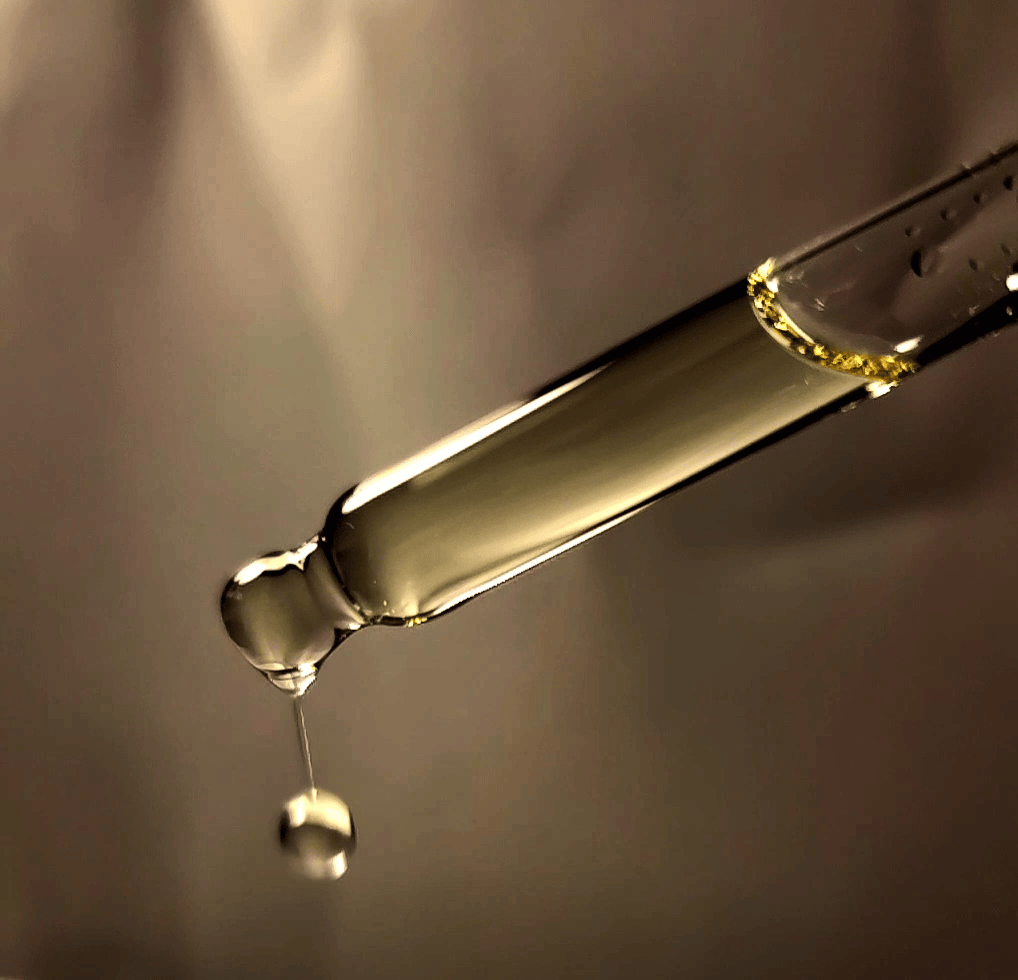
Comedogenic ratings measure how likely an ingredient is to clog pores, on a scale from 0 (non-comedogenic) to 5 (highly comedogenic). Jojoba and argan both rate 0 or 1. Grapeseed and rosehip are similarly low. Coconut oil rates 4. Wheat germ, despite its nutrient density, rates 5.
For beard care, this matters more than for other grooming products because the skin under a beard is already trapping more sebum and debris. A high-comedogenic carrier accelerates congestion and breakouts.
Prime Mane formulations prioritize low-comedogenic carriers across every product. Turbo Growth uses pumpkin seed, castor, and jojoba—all rated 2 or lower. Coarse Wave Tamer uses avocado, argan, and sweet almond, all non-comedogenic. Itch & Skin Relief uses rosehip, grapeseed, and jojoba, the lightest combination in the lineup.
The first two or three ingredients on a label are the bulk of the formula. If those are high-comedogenic oils, the rest does not matter.
Application Technique: Skin First, Hair Second
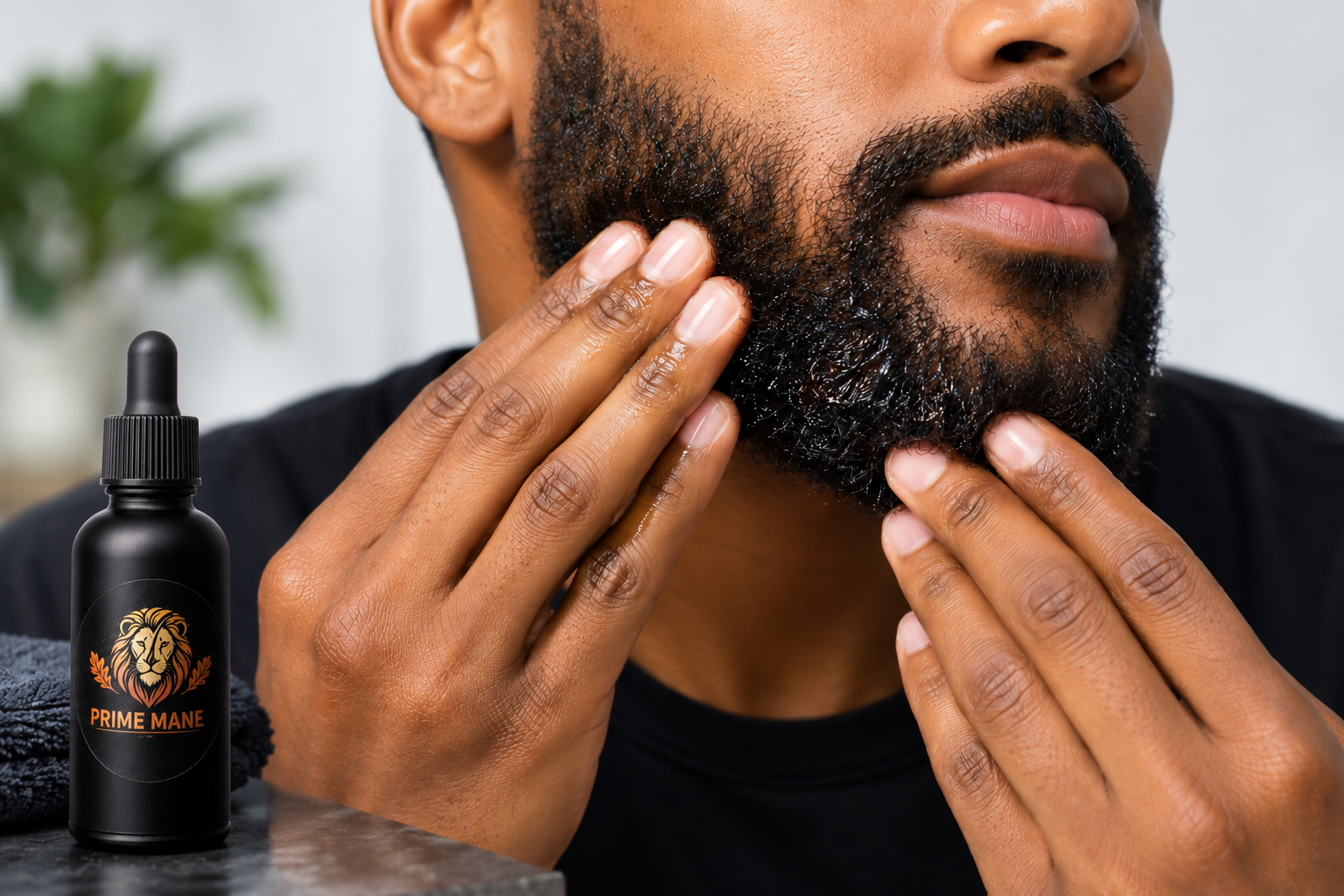
Most men apply beard oil to the hair and assume it will reach the skin. It will not. Oil follows the path of least resistance, which is the outer layer of the beard. To condition the skin underneath, oil must be applied directly to the skin.
The correct technique: dispense 4-6 drops into your palm, rub hands together to warm the oil, then work fingers down to the skin in upward and outward motions. Massage the oil into the skin first. Then distribute the remaining oil through the length of the beard.
For longer beards, increase the dose slightly—5-7 drops for Turbo Growth or Coarse Wave Tamer—but keep the application method the same. Skin first, then hair. This ensures the skin gets hydration and the hair gets the conditioning it needs without excess buildup.
Over-application is the second most common mistake. More oil does not mean better results. It means greasy buildup, clogged pores, and wasted product. Small amounts applied consistently will outperform large amounts applied inconsistently.
Why Synthetic Fragrance Is the Leading Irritation Trigger
Fragrance blends are the most reported cause of irritation in beard oils. Synthetic fragrance compounds are designed for scent throw, not skin compatibility. They sit on the surface and trigger low-grade inflammation—redness, itch, and sensitivity that builds over repeated use.
Essential oils are not automatically safer. High concentrations of tea tree, cinnamon bark, or peppermint can irritate sensitive skin. The difference is dose and formulation. A well-formulated beard oil uses essential oils at functional levels—enough to provide the intended benefit without overwhelming the skin.
Prime Mane formulations are built around the carrier oils, not the scent. Itch & Skin Relief uses tea tree at a level that soothes without irritating. Turbo Growth uses rosemary and peppermint to support circulation, not to create a strong scent profile. The fragrance is a byproduct of the functional ingredients, not an added layer.
If your beard oil smells strong before you apply it, it is likely over-fragranced. Scent should be subtle and fade as the oil absorbs. If it lingers for hours, the formula is carrying too much fragrance load.
The Role of Drying Alcohols and Silicone Fillers
Some beard oils include drying alcohols—denatured alcohol, isopropyl alcohol, or SD alcohol—to speed evaporation and reduce greasy feel. The tradeoff is moisture stripping. These alcohols evaporate fast, taking surface moisture with them. The beard feels dry within hours, and the skin underneath flakes.
Silicones like dimethicone or cyclomethicone create a smooth, slick texture that mimics conditioning. They coat the hair shaft and make the beard feel softer temporarily, but they do not nourish or hydrate. Over time, silicone buildup prevents moisture from penetrating the hair or skin.
A clean beard oil formula contains carrier oils, essential oils, and possibly a natural preservative like vitamin E. That is it. No alcohols, no silicones, no synthetic emulsifiers. The texture should come from the oils themselves.
Prime Mane formulations contain only carrier oils and essential oils. Length & Retention uses wheat germ, hemp seed, and fractionated coconut oil—nothing else. The lightweight feel comes from fractionated coconut, which is liquid at room temperature and absorbs faster than standard coconut oil, without the high comedogenic rating.
Why Cold-Sourced Oils Retain More Nutrient Density
Refining processes—solvent extraction, heat treatment, bleaching—strip carrier oils of their minor components. These minor components include tocopherols (vitamin E), phytosterols, and fatty acid fractions that contribute to absorption, oxidation stability, and skin-feel.
Unrefined, minimally processed oils retain more of these compounds. Argan oil that has been heavily refined loses much of its natural vitamin E content and absorbs more slowly. Jojoba that has been heat-treated loses some of its wax ester stability.
Prime Mane sources carrier oils that retain their natural nutrient profiles. Each batch is mixed only after the order is placed, ensuring the oils are as fresh as possible when they reach the customer. This is not a marketing feature. It is a quality control decision.
Oxidation is the enemy of oil stability. Once a carrier oil oxidizes, it loses its conditioning properties and can irritate the skin. Small-batch production minimizes the time between mixing and use, reducing oxidation risk.
The Fix: Formulation, Not Volume
If your beard feels soft but your skin is still itching, the problem is not the amount of oil. It is the formulation. Switching to a lightweight, low-comedogenic formula will solve the disconnect between hair conditioning and skin comfort.
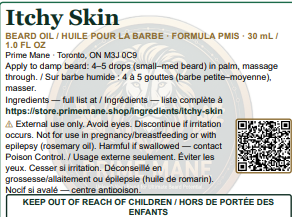
For men dealing with itch and flaking, Itch & Skin Relief is built for exactly this problem. Rosehip, grapeseed, and jojoba absorb fast, soothe irritation, and leave no greasy residue. For men with thicker, coarser hair who need both skin comfort and hair control, Coarse Wave Tamer balances avocado and argan—heavier conditioning without pore congestion.
Consistency matters more than dose. Daily application on slightly damp skin, after washing, will produce better results than sporadic heavy application. The goal is to maintain baseline hydration and conditioning, not to flood the beard with oil.
Results appear over weeks of consistent use, not overnight. The skin barrier needs time to normalize, and the hair shaft needs repeated conditioning to shift texture. Stick with a clean, well-formulated product and apply it correctly. The disconnect will resolve.
A soft beard with itchy skin is not a paradox. It is a formulation problem. Surface conditioning without skin penetration is the result of heavy, comedogenic carriers, over-fragranced formulas, or incorrect application technique.
The fix is straightforward: use lightweight, low-comedogenic carrier oils, apply directly to the skin, and skip the synthetic fillers. Prime Mane formulations are built around this principle. Each batch is mixed to order, using carrier oils that absorb fast and condition without congestion.
Stop treating the symptom. Fix the formulation.